
Reliable, off-grid-capable power for a modern rural farming operation
Lifestyle farms occupy a unique and rewarding space in the South African rural property landscape — they are working farms, but they are also homes. They accommodate families, employees, and livestock, and they require all of the comforts and security systems that a modern residential property demands, alongside the robust power infrastructure that commercial agricultural operations depend upon. For the owners of this property, providing consistent, reliable power was not a luxury — it was foundational to the way of life they had built.
Power Requirements on a Working Farm: A lifestyle farm draws electricity for a wide range of applications. Borehole pumps, which supply water to livestock, irrigation systems, and domestic use, are among the highest-priority loads on any rural property. Water security and stock welfare are directly linked to pump reliability — a failed pump during a prolonged outage does not merely cause inconvenience; it can threaten livestock, dry out irrigation infrastructure, and compromise the property's self-sufficiency. Security systems — electric fencing, cameras, alarm systems, and automated gate infrastructure — are equally critical in the rural South African context, where response times for security services can be measured in hours rather than minutes.
Beyond operational necessity, security is a pressing concern on rural properties throughout South Africa. Reliable, uninterrupted power for perimeter fencing, lighting, surveillance, and access control is not optional — it is a core component of responsible farm management and family safety.
The Infrastructure Challenge: Rural electricity supply in South Africa is structurally unreliable, and not only due to load shedding. Cable theft is endemic in many farming regions, and the time from fault reporting to Eskom rectification can run to days or even weeks. During this period, the only option is diesel generator operation — an expensive, high-maintenance, and environmentally costly solution that many farmers have come to regard as a permanent fixture rather than a temporary backup. The cumulative cost of generator fuel, servicing, and unplanned repairs represents a significant and recurring drain on farm profitability.
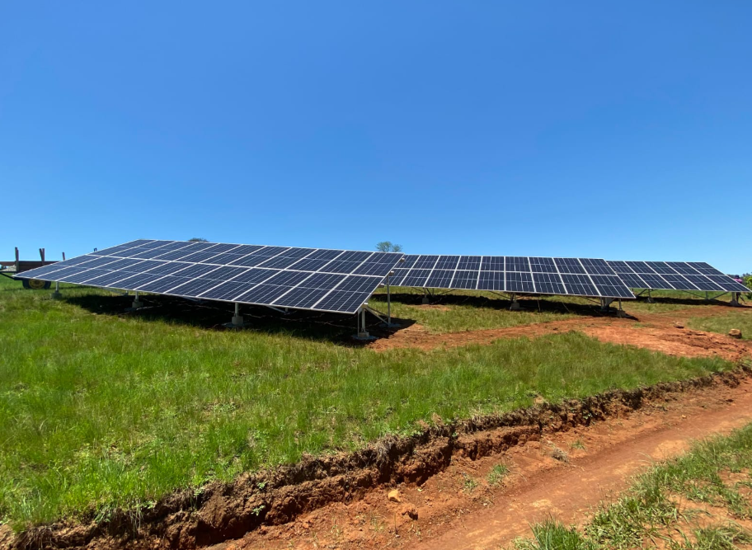
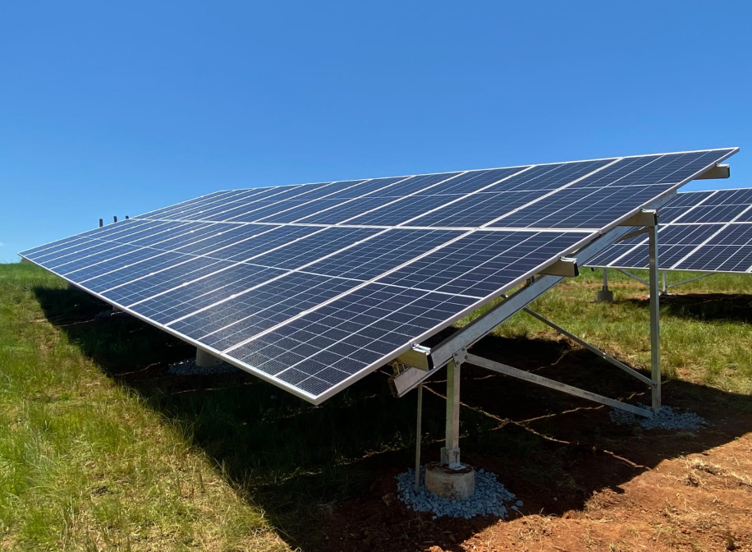
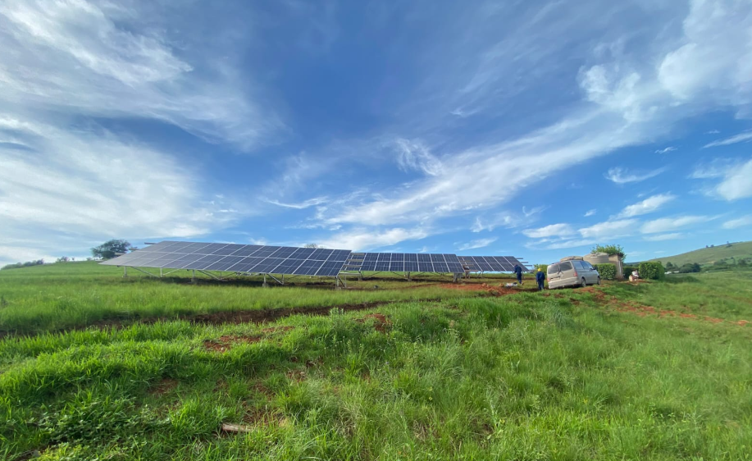
The Solution: SolarEPC designed and installed a solar PV system with battery energy storage scaled to the specific requirements of this property. The system prioritises the farm's critical loads — borehole pumps, security infrastructure, and domestic supply — ensuring that these remain operational regardless of grid status. The battery storage capacity is sized to bridge extended outage windows, reducing generator runtime to a minimum and delivering material savings in fuel and maintenance costs. The solar generation component ensures that the farm operates predominantly on clean, low-cost energy during daylight hours, with the battery bank providing reliable overnight and outage coverage.
TECHNICAL SPECIFICATIONS
-
Sector: Agriculture — Lifestyle Farm
-
Battery Storage: 61 kWh
-
Solar PV: 36.3 kWp
-
Critical Loads: Borehole pumps, security, domestic